Anthropic's New $75M Book Suit: The Piracy Line, Not Training, Is AI's Legal Front

🕒 Published on Zendoric: July 6, 2026 · 00:04
Authors are suing Anthropic for $75M, alleging it trained Claude on books pulled from pirate shadow libraries. After a landmark ~$1.5B settlement, the fight has narrowed to a sharp legal line: training on legally acquired books may be fair use — downloading pirated copies is not.
📚 Go deeper
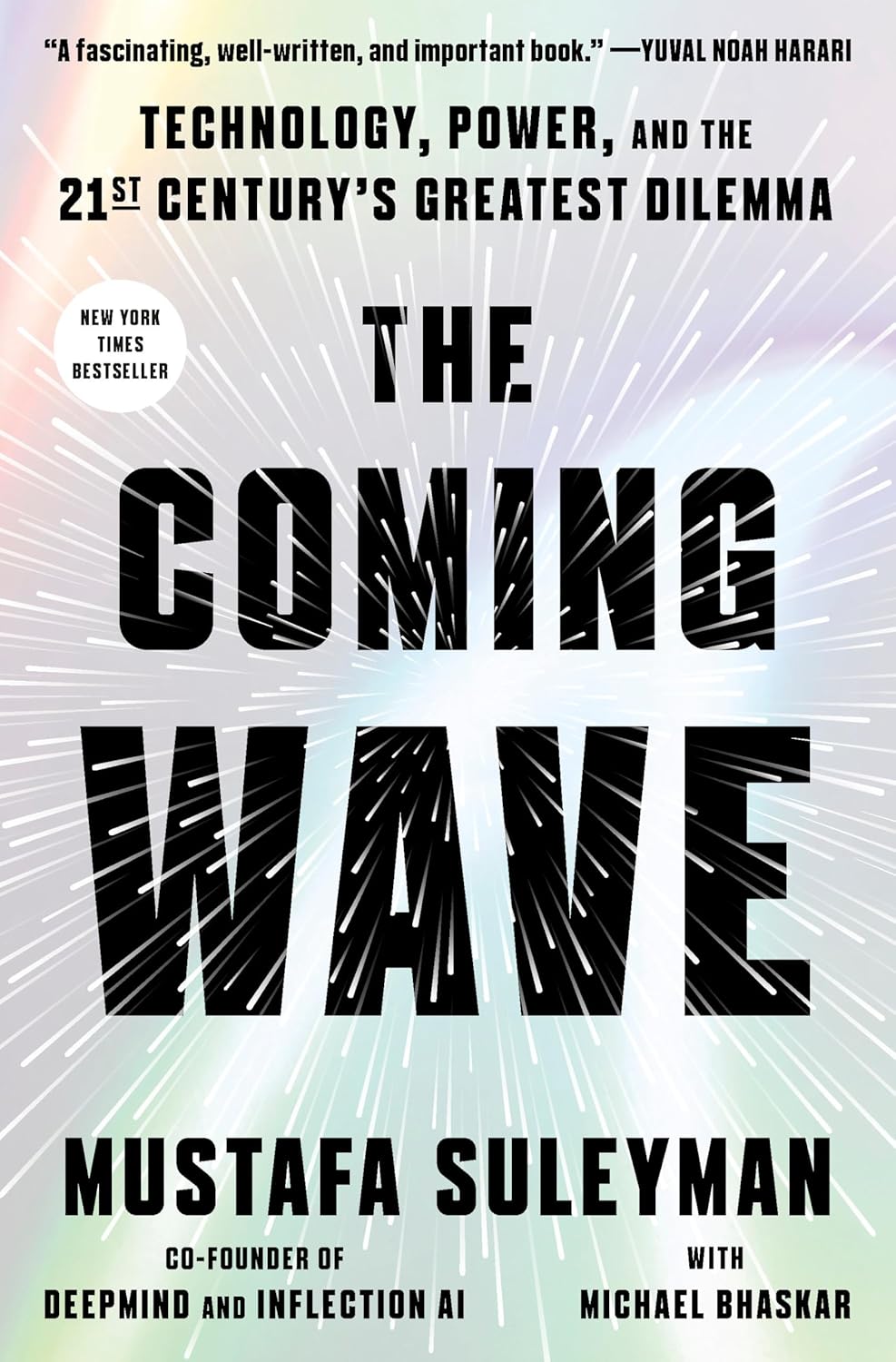
DeepMind co-founder on the dilemma of containing technologies that do not want to be contained.
As an Amazon Associate, Zendoric earns from qualifying purchases; the price does not change for you. · all our recommended books →
We'll send you a confirmation email (double opt-in). Privacy.
According to BeInCrypto, Anthropic faces a new $75 million lawsuit from authors who allege the company trained Claude on copyrighted books sourced from pirate "shadow libraries" without permission, licensing or compensation. These are allegations in a complaint, not proven facts, and Anthropic has not been found liable in this specific case. But the suit lands on top of mounting legal pressure, including a separate June class action over Claude Max subscription usage limits.
The legally interesting part is the distinction the plaintiffs are pressing. As the article explains, a prior ruling held that training an AI on legally acquired books can qualify as fair use — but that downloading pirated copies is a separate act of infringement. That splits the industry's biggest question in two: the model-training question may be trending toward permissiveness, while the data-acquisition question remains a live liability. The plaintiffs invoke statutory damages of up to $150,000 per willfully infringed work, arguing existing settlements undervalue their books.
Context underscores the stakes: Anthropic previously settled a landmark class action for roughly $1.5 billion, paying authors around $3,000 each for an estimated 500,000 pirated books, and some authors opted out — which is precisely how fresh suits like this one arise. A widely shared chart cited in the piece shows nearly every major AI company entangled in similar copyright litigation. This is an industry-wide reckoning, not an Anthropic problem.
Our reading: the durable lesson here is that how you get the data matters as much as what you do with it. The emerging legal contour — train freely on what you lawfully obtained, pay dearly for what you pirated — is actually a workable settlement for the long run. It pushes labs toward licensing markets, which is where this should end up: creators compensated, models fed on clean data, and the provenance of training corpora treated as an auditable supply chain rather than an afterthought.
Short term, expect messy, expensive litigation and one-off settlements that satisfy no one fully. Long term, we read this as the market maturing: the era of scraping-first-ask-later is closing, and the winners will be those who build durable data partnerships. That is friction, but it is the healthy kind — the price of moving from a lawless frontier to an industry that can coexist with the people whose work it learns from.
📚 Go deeper
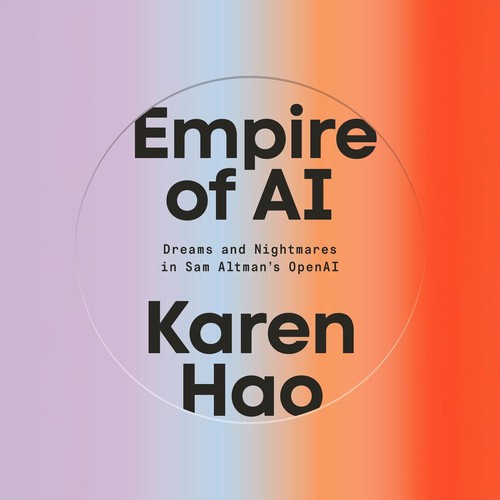
The definitive piece of investigative journalism on OpenAI: 260+ interviews, the clash between safety and speed, and the attempted firing of Sam Altma
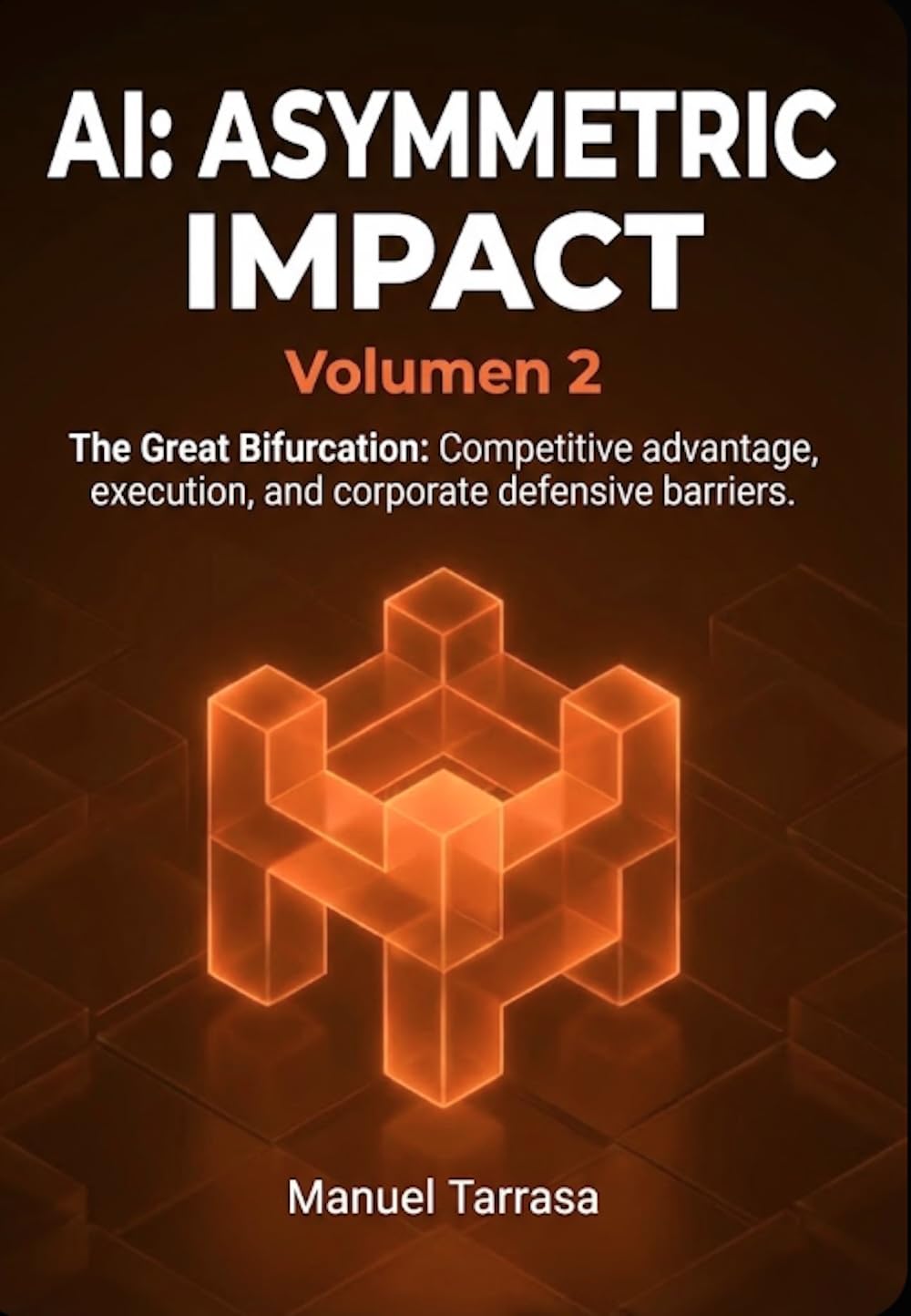
The same bifurcation seen from the boardroom: strategy, execution and defensive moats to reorganize a business around AI before your competitors do.
As an Amazon Associate, Zendoric earns from qualifying purchases; the price does not change for you. · all our recommended books →
Sources & references
Get the analysis by email · free
One email a day analysing the AI essentials. Free, no spam, unsubscribe anytime.
We'll send you a confirmation email (double opt-in). Privacy.