Deepfaked Endorsements: When AI Turns a Footballer's Face Into Illegal-Casino Bait
🕒 Published on Zendoric: July 6, 2026 · 00:04
Unlicensed betting operators hijacked the identities of Bruno Fernandes and Jude Bellingham with fake BBC articles and AI-generated video to fake official endorsements. It's a preview of fraud at industrial scale — and why the near-term AI risk is mundane, not apocalyptic.
📚 Go deeper
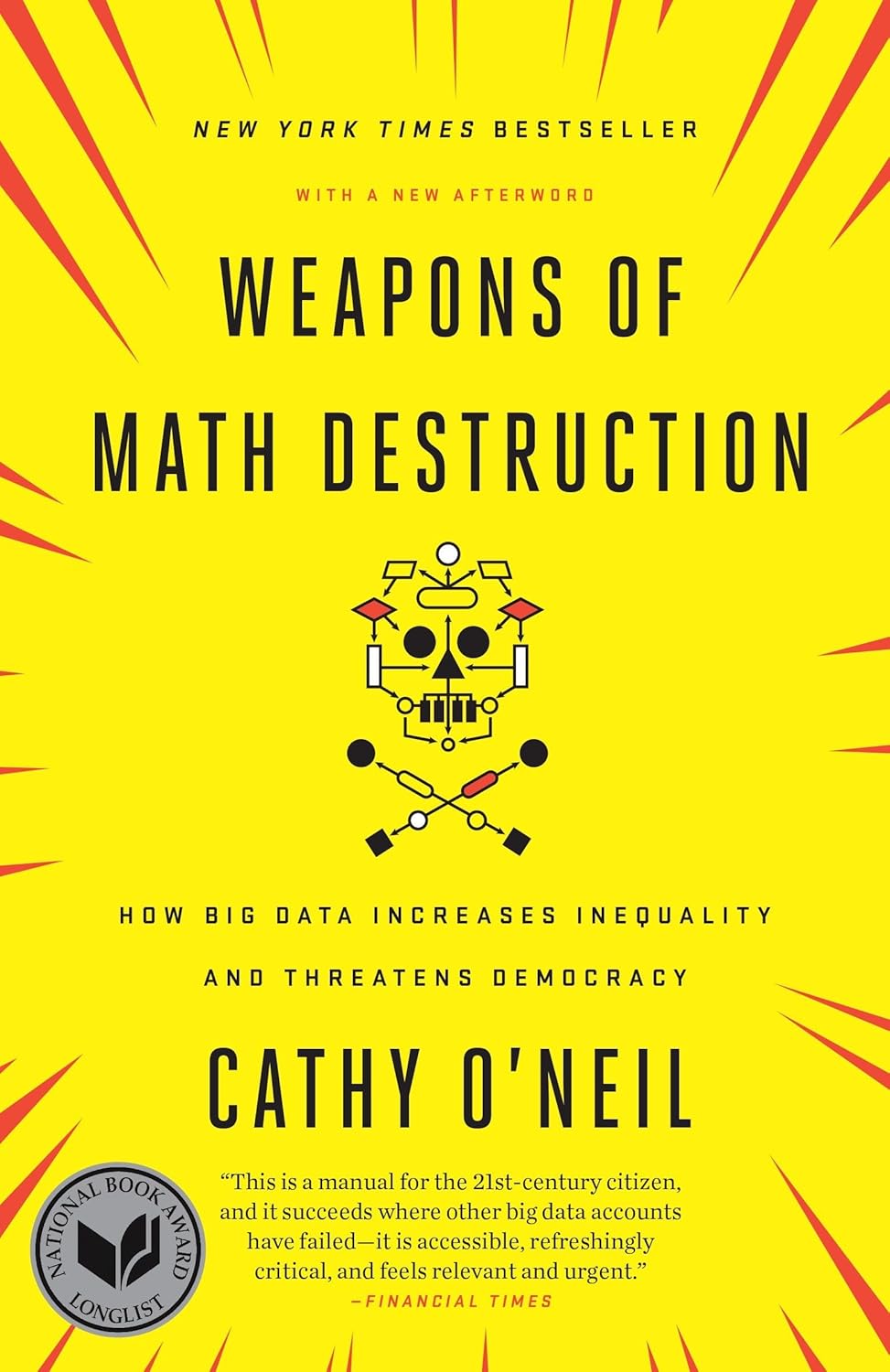
How opaque algorithms decide who gets credit, a job or parole — and why they tend to punish the same people.
As an Amazon Associate, Zendoric earns from qualifying purchases; the price does not change for you. · all our recommended books →
We'll send you a confirmation email (double opt-in). Privacy.
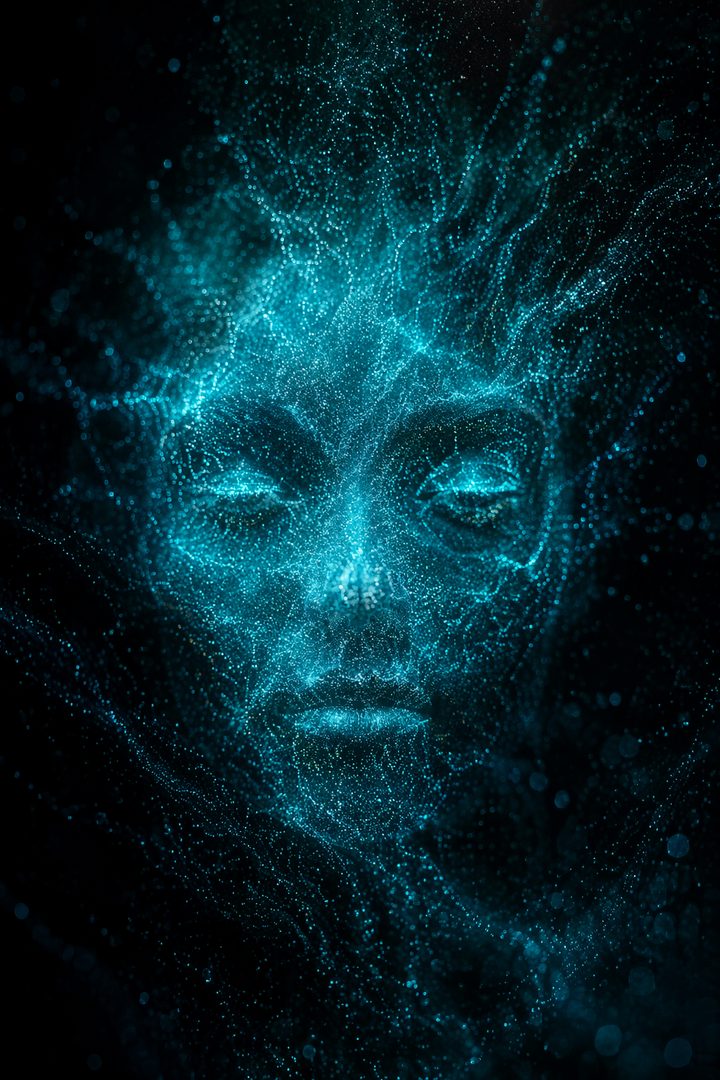
The Guardian reports that two illegal online casinos, Nightwin and QH88, hijacked the identities of Manchester United's Bruno Fernandes and Real Madrid's Jude Bellingham to fake official partnerships. The operators deployed made-up BBC news articles, fabricated app-store ratings (a "Bellingham Bet" app with a fake 4.9/5 score and imaginary 1.9 million downloads) and, in Fernandes's case, a strikingly realistic AI-generated deepfake video purporting to show the player signing an ambassadorial contract. Neither player has any connection to these platforms.
The context matters as much as the trick. As the article details, these operators run from offshore havens — Nightwin is licensed only in Curaçao, incorporated through shell structures whose ultimate owners are shielded from public view. Cease-and-desist letters go unanswered; lawsuits, as the piece puts it, mean suing ghosts. Active players face real sanctions for legitimate betting ads (Yerry Mina was fined £10,000 by the FA in 2019), yet here the victims are the athletes themselves, their likeness weaponized without consent.
What's new is not fraud but its fidelity and cost. Generative video and text have collapsed the price of a convincing forgery to near zero, letting bad actors mint fake endorsements faster than anyone can take them down. Bellingham's scam vanished in days; Fernandes's more elaborate build persisted. The asymmetry is the whole problem — attackers automate, defenders litigate.
This fits a thesis we keep returning to: the concrete, near-term danger from AI is not a distant superintelligence but the industrialization of ordinary crime — fraud, impersonation, disinformation — running at machine speed. It is unglamorous, and it is already here.
Our reading: the answer will not come from copyright letters to offshore ghosts. It has to sit at the chokepoints that scammers actually need — the ad networks (Nightwin bought Instagram placements), the app distribution channels, the payment rails, and provenance standards that let a platform verify a "BBC story" or a signed-contract video is real. The same generative capability that forges Fernandes's face can also power detection and content authentication at scale. Long term we remain optimistic that verification infrastructure matures; short term, the honest message is that trust in what we see online is being repriced, and the burden is shifting to platforms to prove authenticity rather than to victims to chase phantoms.
📚 Go deeper
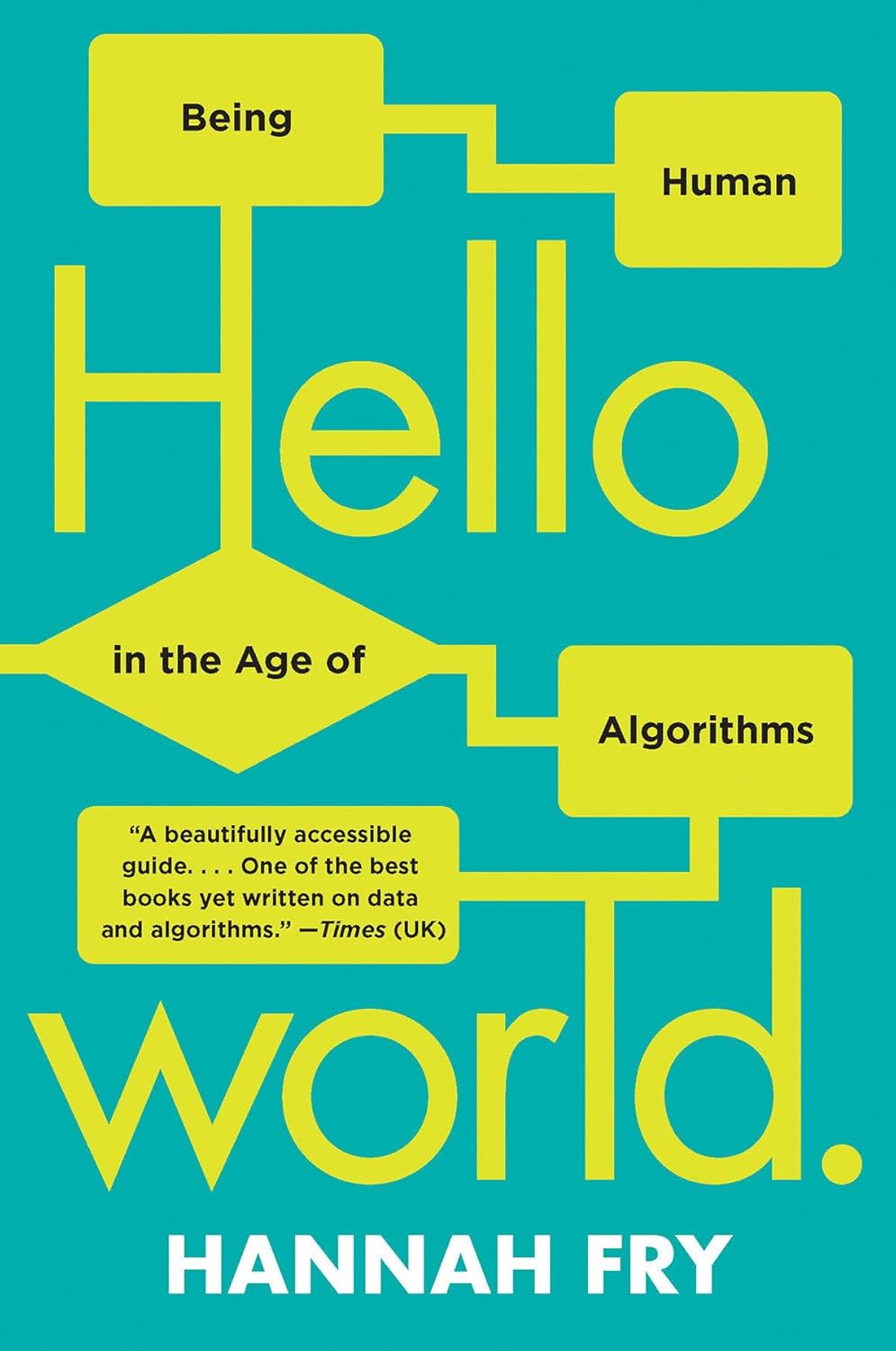
Algorithms in justice, medicine, cars and art, explained with British humor and mathematical honesty.
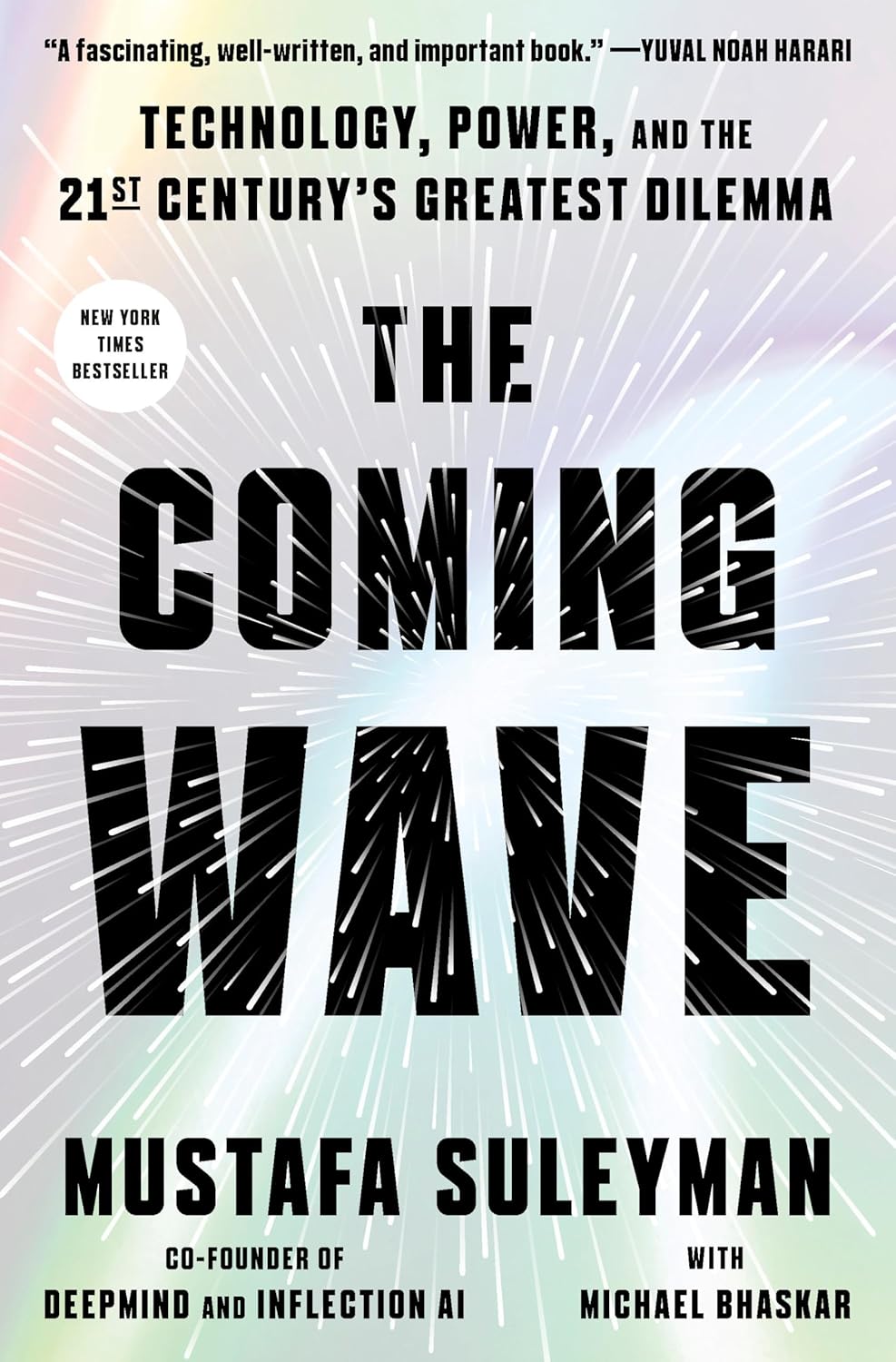
DeepMind co-founder on the dilemma of containing technologies that do not want to be contained.
As an Amazon Associate, Zendoric earns from qualifying purchases; the price does not change for you. · all our recommended books →
Sources & references
Get the analysis by email · free
One email a day analysing the AI essentials. Free, no spam, unsubscribe anytime.
We'll send you a confirmation email (double opt-in). Privacy.