Ivy League students swap Wall Street for AI hacker houses in San Francisco

🕒 Published on Zendoric: July 6, 2026 · 00:04
Students from universities such as Princeton and Yale are turning down offers from big tech and banking to spend the summer founding AI startups in San Francisco. It is an early signal of how the most qualified generation is redefining which career is worth pursuing.
📚 Go deeper
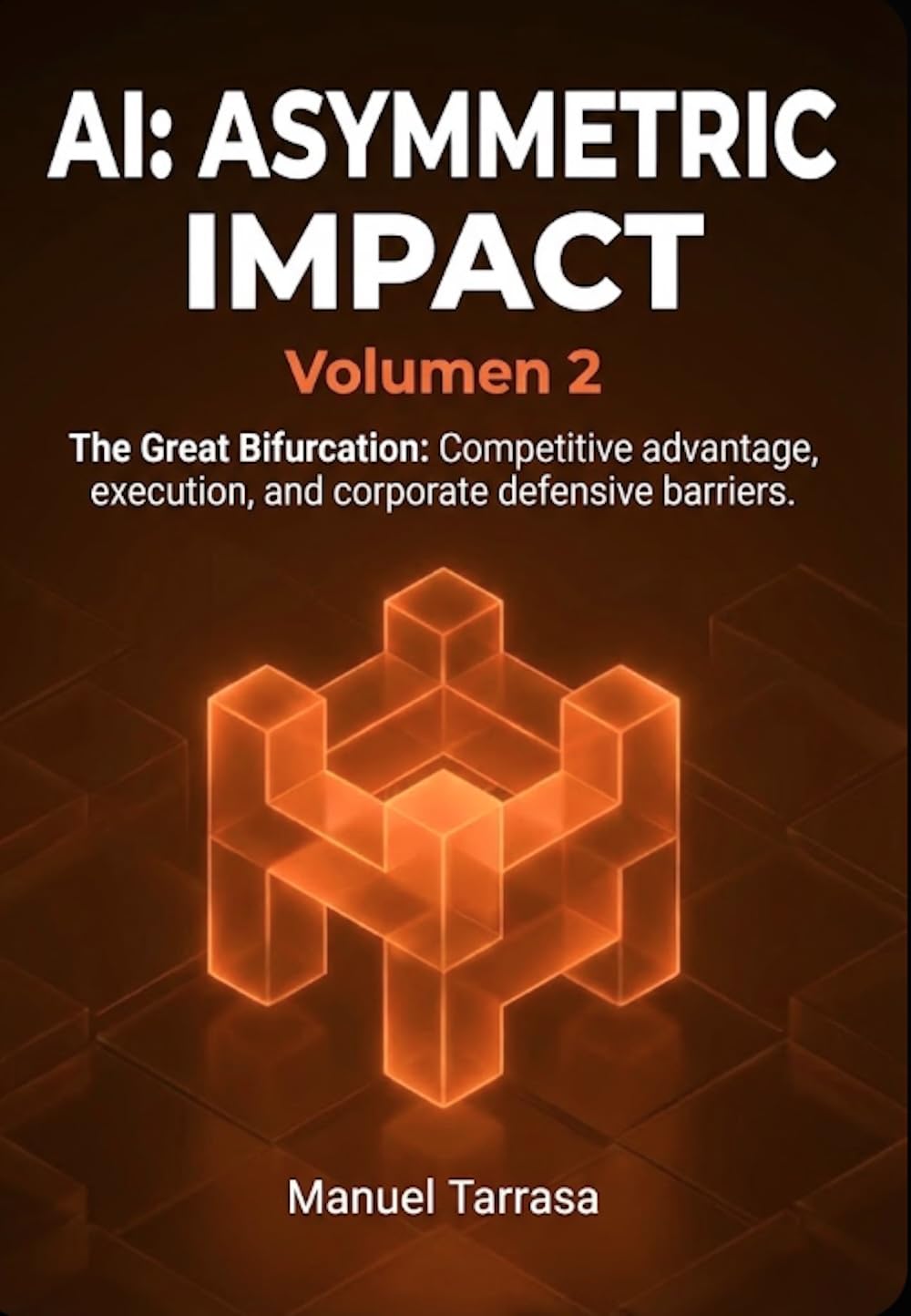
The same bifurcation seen from the boardroom: strategy, execution and defensive moats to reorganize a business around AI before your competitors do.
As an Amazon Associate, Zendoric earns from qualifying purchases; the price does not change for you. · all our recommended books →
We'll send you a confirmation email (double opt-in). Privacy.
By WSJ · July 5, 2026.
The report, behind a paywall, offers little hard data but one telling fact: students at elite universities —the article expressly cites Princeton and Yale— are turning away from traditional internships on Wall Street or at big tech corporations to move into "hacker houses" and incubators in San Francisco and launch their own AI startups. The case that illustrates the piece is that of a Princeton student, Charles Muehlberger, who had on the table offers from a big tech company and from an aerospace engineering firm, and instead decided to found an AI startup; four weeks later he was already in Barcelona pitching the product to potential customers.
The material is thin —there are no figures on how many students follow this pattern, nor data on funding or on which specific universities are behind the phenomenon beyond the names cited—, so it is best not to over-interpret a color piece as if it were a representative survey. But the anecdotal fact is significant for what it says about the shift in prestige: for decades, the goal of the brightest student at a selective university was investment banking or consulting; now, apparently, there is a visible fraction that prefers to bet on founding something at the epicenter of the AI craze, even at the cost of giving up the security of a salary at an established tech company.
This fits with a dynamic we have already pointed out in our analysis of AI and employment: disruption not only eliminates administrative jobs, it also redefines which career paths seem rational for those who have the most options. If the most sought-after talent begins to value the risk of founding over the stability of a large company, it is a sign that they perceive —rightly or not— that the window of opportunity to build something big in AI is now, and that venture capital and incubators are willing to fund young bets with a speed that did not exist in previous tech cycles.
Our reading: this kind of generational shift is not neutral for the rest of the labor market. If the best-prepared profiles migrate en masse toward creating startups instead of feeding the ranks of big banks or tech firms, in the short term it may accelerate the disruption of those very sectors from the outside —agile new companies competing with the incumbents— and, at the same time, concentrate the innovation ecosystem even further in hubs like San Francisco. In the long term, however, it is consistent with Zendoric's underlying thesis: the more of the best talent devote their energy to building at the AI frontier instead of managing legacy processes, the faster the scenario of abundance approaches that can free others from routine work. The risk, as always in these early phases, is that most of those bets fail; the promise is that the few that succeed may more than justify the collective abandonment of the safe path.
📚 Go deeper
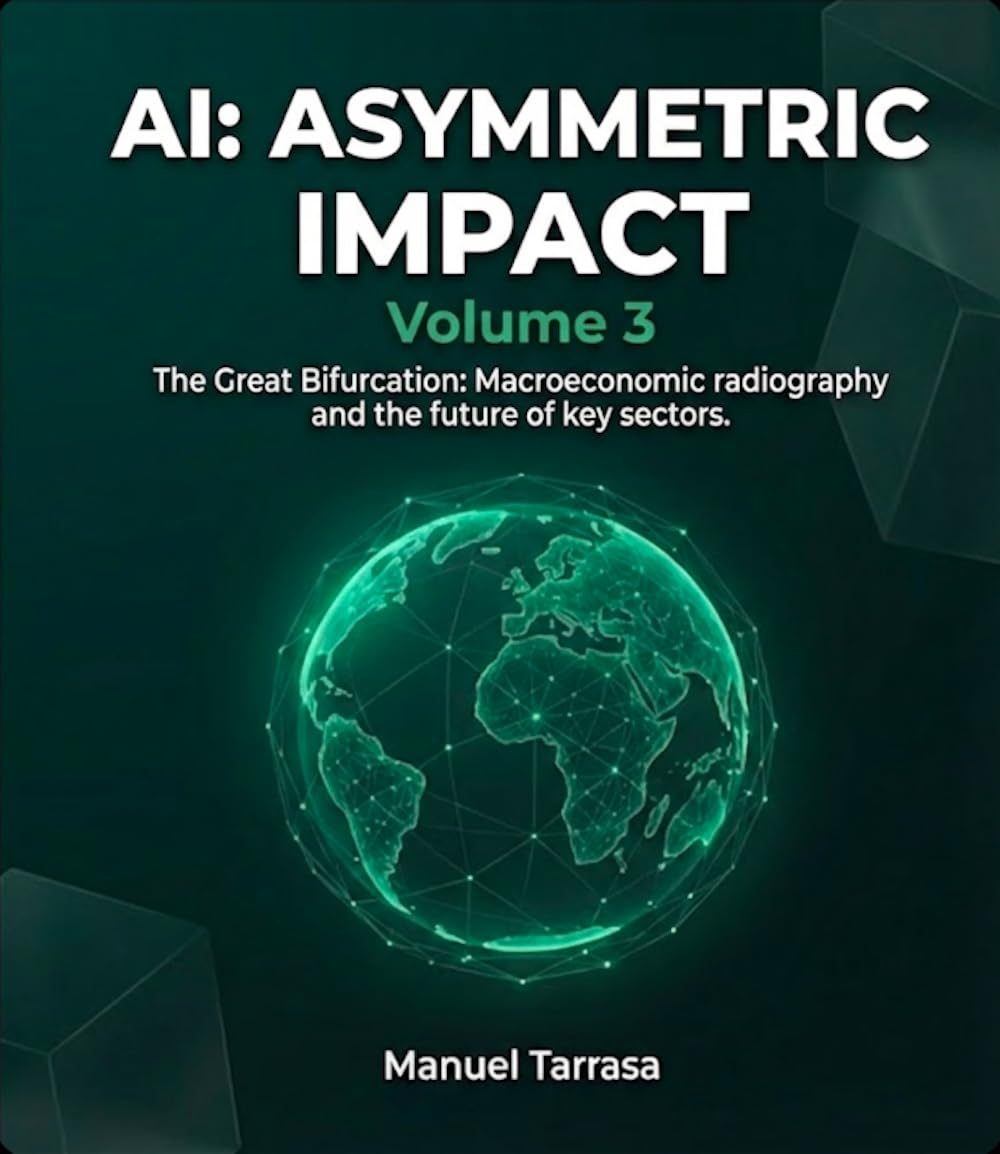
A macroeconomic, sector-by-sector X-ray of how AI redraws the global chessboard over the coming decade, with the human factor at the center.
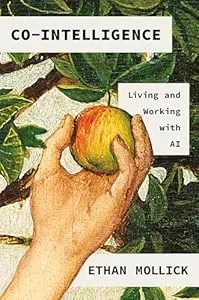
The best starting book if you're not technical: a Wharton professor explains how to work WITH AI — when to delegate, when to supervise, when to keep i
As an Amazon Associate, Zendoric earns from qualifying purchases; the price does not change for you. · all our recommended books →
Sources & references
Get the analysis by email · free
One email a day analysing the AI essentials. Free, no spam, unsubscribe anytime.
We'll send you a confirmation email (double opt-in). Privacy.