Why teaching law with a critical view of AI matters more than teaching how to use it

🕒 Published on Zendoric: July 6, 2026 · 00:04
The Universidad Iberoamericana will integrate artificial intelligence across all its curricula, including the critical analysis of automated decisions for future lawyers. It is a small piece of a bigger shift: the legal profession is reorganizing around who knows how to scrutinize the machine, not just operate it.
📚 Go deeper
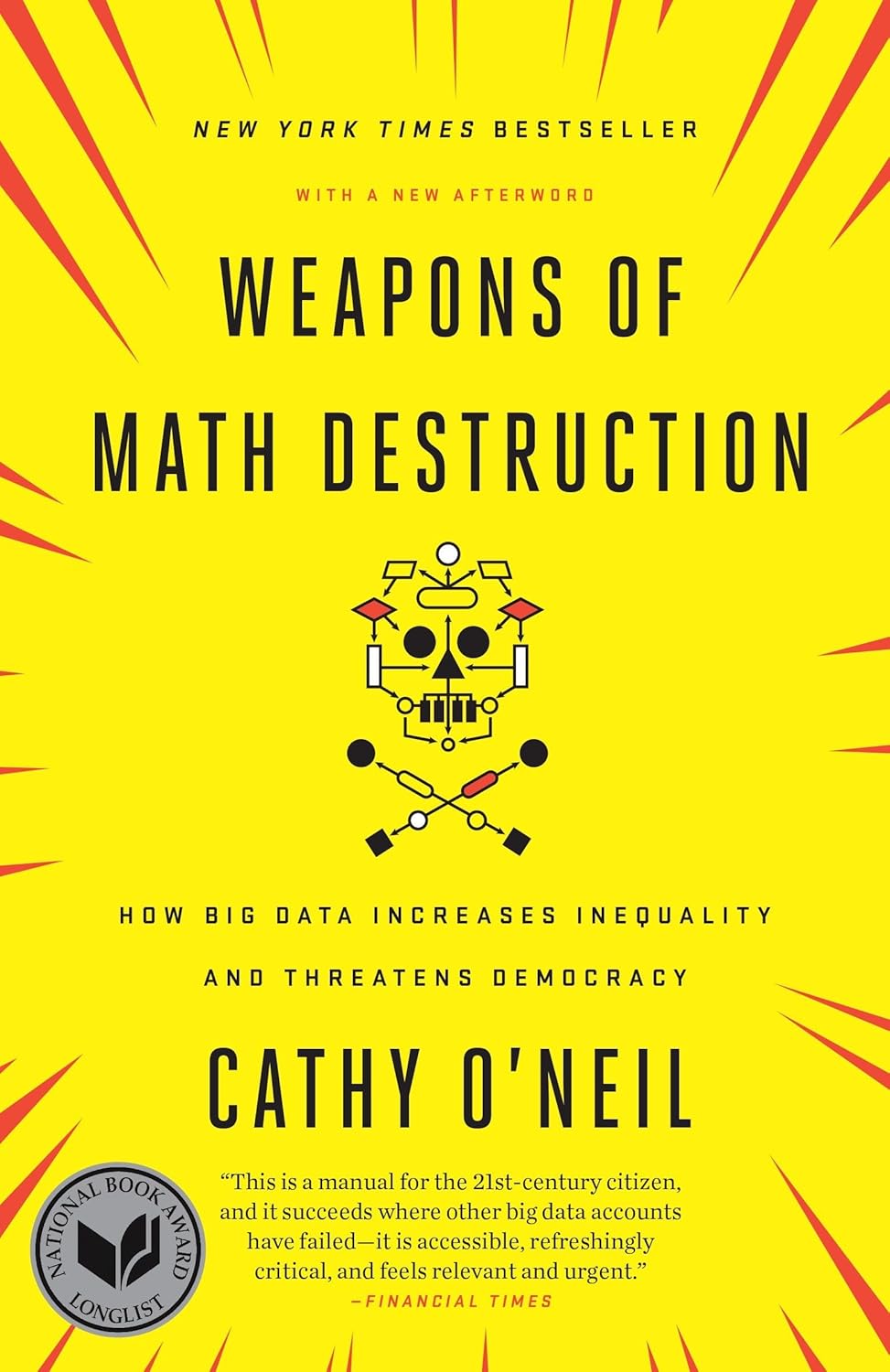
How opaque algorithms decide who gets credit, a job or parole — and why they tend to punish the same people.
As an Amazon Associate, Zendoric earns from qualifying purchases; the price does not change for you. · all our recommended books →
We'll send you a confirmation email (double opt-in). Privacy.
By El Sol de Tijuana · July 5, 2026.
The news, in essence, is brief: Universidad Iberoamericana announced that it will incorporate artificial intelligence as a cross-cutting tool in all its curricula, and in the case of Law the emphasis is on the critical analysis of automated decisions. There are no details in the material about the curriculum design, timelines or which specific faculties will implement it first, so it is best not to over-interpret its scope. But the gesture itself already says something relevant about where legal training is headed.
The interesting point is not that a university teaches how to use AI—that is now almost mandatory in any serious faculty—but that it focuses on critical use, that is, on teaching how to detect biases, errors and limits of systems that increasingly take part in decisions with legal consequences: from risk scoring to assisted contract drafting or case-law review. Training lawyers who know how to audit an algorithm, and not just invoke it, is a different and more valuable skill than mere technological literacy.
This connects with something we have already noted in analyzing AI's impact on the legal sector: the traditional law-firm pyramid is narrowing at the base. The routine tasks of research, drafting and document review—the work that once occupied junior associates for years—are being rapidly automated. What gains relative weight is expert judgment, the ability to argue before a judge, to manage the client relationship and, increasingly, to understand and question the tools the profession itself uses. A lawyer who does not know why an AI model recommended a strategy, or what biases an AI-processed case-law database may carry, will be at a disadvantage against one who does.
Our reading is that this type of announcement, though modest in its concrete details, is an early symptom of a broader realignment in higher education: the faculties that navigate the transition well will not be those that ban AI nor those that simply adopt it, but those that turn it into an object of scrutiny within the curriculum itself. In the short term this implies a real effort of pedagogical redesign—and probably resistance from faculty trained in another paradigm. But in the medium term, training professionals capable of critically monitoring the automated systems that already intervene in legal life is exactly the kind of human capital that a society with an abundance of AI tools, but still short on adequate safeguards and oversight, will most need.
📚 Go deeper
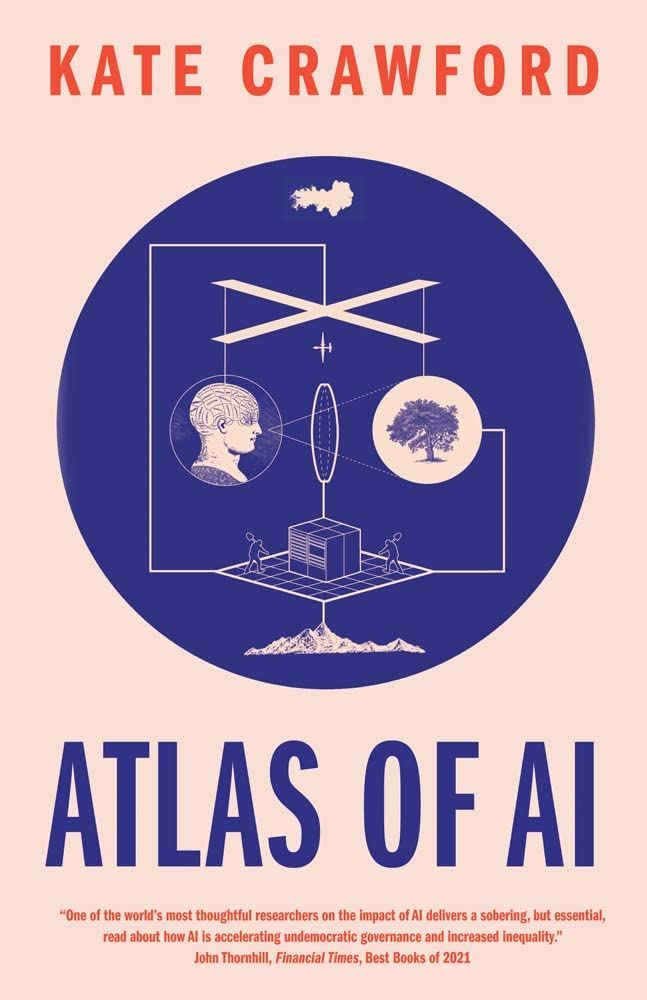
AI as an extractive industry: the lithium, the energy, the underpaid data-labeling work and the bodies behind the cloud.
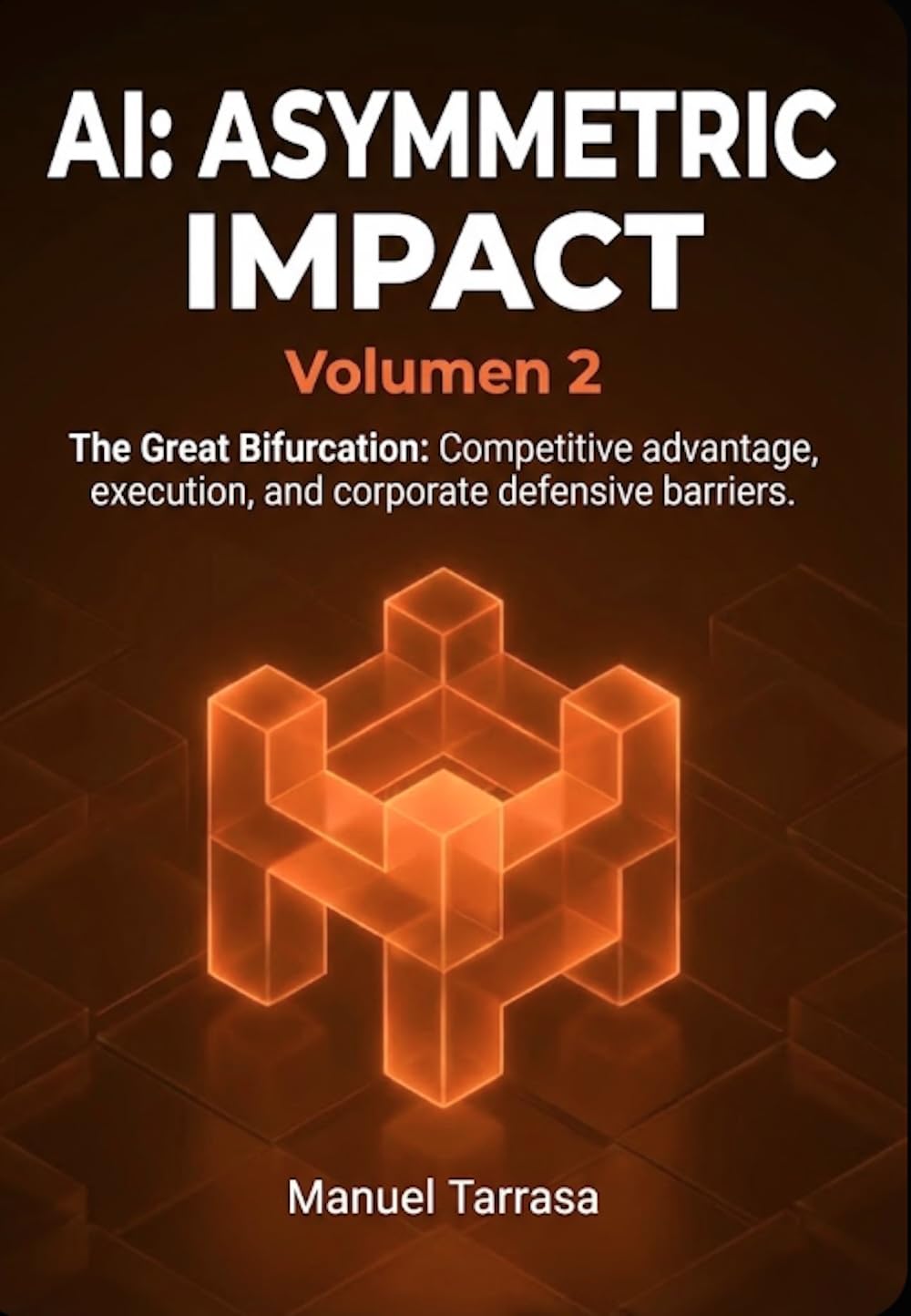
The same bifurcation seen from the boardroom: strategy, execution and defensive moats to reorganize a business around AI before your competitors do.
As an Amazon Associate, Zendoric earns from qualifying purchases; the price does not change for you. · all our recommended books →
Sources & references
Get the analysis by email · free
One email a day analysing the AI essentials. Free, no spam, unsubscribe anytime.
We'll send you a confirmation email (double opt-in). Privacy.