AGI-run cities for veterans: a patent and an NIH trial that call for plenty of skepticism

🕒 Published on Zendoric: July 6, 2026 · 00:04
A press release announces a patent and a 'professional certification' to manage micro-cities run by general AI, aimed at veterans. The packaging is flashy; the verifiable substance is minimal. Here we separate the two.
📚 Go deeper
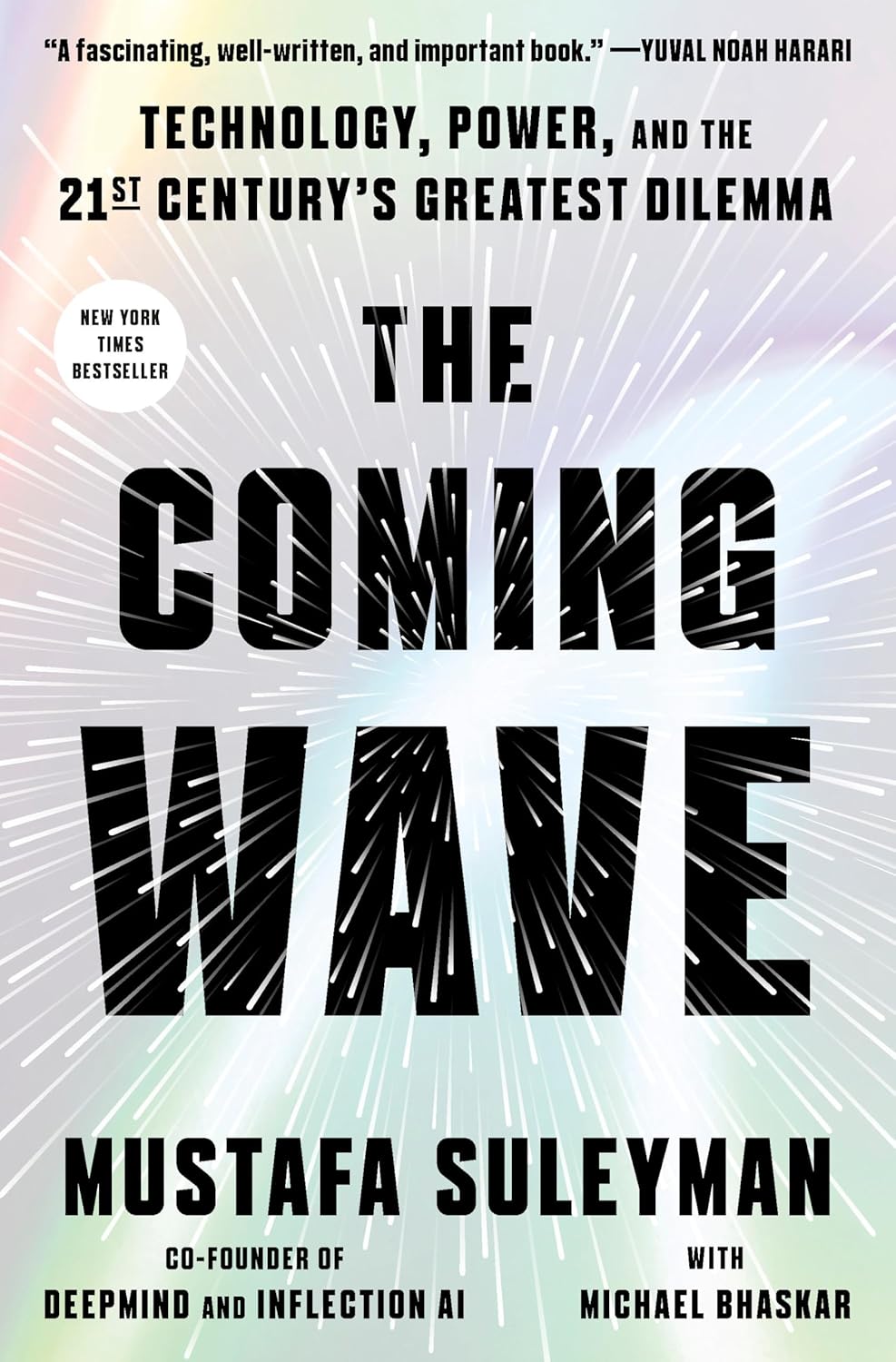
DeepMind co-founder on the dilemma of containing technologies that do not want to be contained.
As an Amazon Associate, Zendoric earns from qualifying purchases; the price does not change for you. · all our recommended books →
We'll send you a confirmation email (double opt-in). Privacy.
By GlobeNewswire (press release from Veterans First for America) · July 5, 2026.
The text we examine today is not journalism: it is a press release self-published on GlobeNewswire, a distribution service that does not verify the content its clients submit. That already conditions everything that follows. According to the release itself, a group linked to 'Veterans First for America' and the 'Veterans Recovery Network' has filed a patent application in the U.S. (USPTO App. No. 64/105,164) creating a code of conduct called the 'QAIAx TDC Model Code,' designed to certify professionals (lawyers, doctors, contractors) who would work within supposed dome-shaped 'microcities,' with a capacity of 1,500 to 15,000 inhabitants, 90% managed by autonomous AI systems and 10% by human oversight. The release also cites a registration on ClinicalTrials.gov (NCT07661823) as backing for a 'clinical trial' that would test human–AGI coexistence.
There are verifiable elements and elements that are not, and it is worth separating them carefully. The existence of a patent application before the USPTO does not imply that the office has examined, approved or technically validated it: anyone can file a provisional application by paying a modest fee, and that certifies neither viability nor scientific rigor. The same goes for an NCT number on ClinicalTrials.gov: it is a public registry, not a seal of regulatory approval nor a guarantee that the trial's design makes medical sense. The release offers no independent source, recognizable academic institution or auditable technical data to support claims such as 'quantum computers frozen to -459°F that self-destruct their keys in a millisecond' or the exact '90/10' split of tasks between AI and humans. These are descriptions worthy of a science-fiction patent, not of a critical-infrastructure deployment.
There are also stylistic signals that invite caution: recurring typos ('manditory,' 'tenatively'), forced comparisons with 1990s IT certifications (Cisco, Novell, Microsoft) to lend a veneer of technical seriousness to a concept with no demonstrated precedent, and a track record of prior releases from the same source with equally grandiose headlines —including, in the article's own related links, a supposed $4.2 billion bankruptcy lawsuit against Google because 'Gemini confessed to defamation,' something that corresponds to no verified fact and which on its own should set off every credibility alarm about the source.
What is real and deserves serious attention is the audience it targets: military veterans, a group with legitimate housing and medical-care needs, and with active, sensitive litigation such as Camp Lejeune (CLJA), which is also mentioned in the release's links. In general, groups burdened with complex legal proceedings and expectations of compensation are a common target for initiatives that combine trendy technology with promises of help, and any veteran or family member considering signing up for waiting lists or programs of this kind would do well to seek independent advice before providing personal data or money.
Our editorial reading is clear: this illustrates, almost as a textbook case, the difference between demonstrated capability and aspirational narrative that we have been flagging in other pieces on AI geopolitics or safety benchmarks. The vocabulary of general AI, quantum computing and federal patents creates a sense of institutional solidity that, examined up close, has no verified technical finding behind it. Zendoric's underlying thesis —that well-governed AI can lead us to a society of abundance, with better health and more free time— is not built with press releases that mix provisional patents, quantum jargon and grandiosely named clinical trials devoid of verifiable substance. It is built with auditable evidence, peer review and real, measurable deployments. Until some of that exists, the prudent course is to treat this 'AGI-governed microcity' as what it appears to be: speculative marketing aimed at a vulnerable audience, not a verified technological or medical advance.
📚 Go deeper
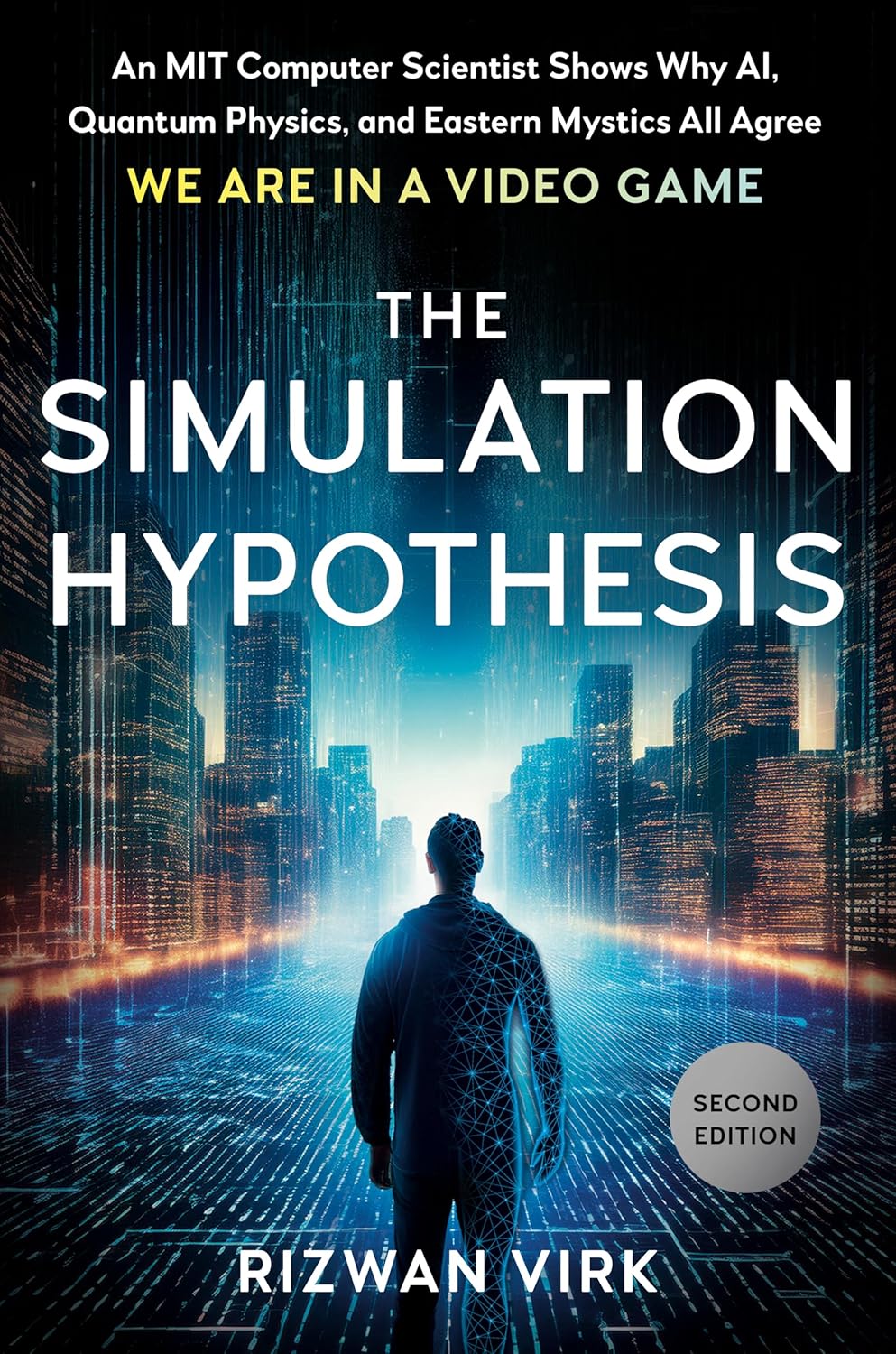
An MIT computer scientist connects AI, quantum physics and video games to take an uncomfortable question seriously: what if we live in a simulation? M

AI as the latest chapter in the history of information networks, from gossip to the printing press to the algorithm.
As an Amazon Associate, Zendoric earns from qualifying purchases; the price does not change for you. · all our recommended books →
Sources & references
Get the analysis by email · free
One email a day analysing the AI essentials. Free, no spam, unsubscribe anytime.
We'll send you a confirmation email (double opt-in). Privacy.