AI agents need traffic rules: ESET joins the race for their safety standards

🕒 Published on Zendoric: July 6, 2026 · 00:04
ESET joins as a Silver member of the Agentic AI Foundation, alongside OpenAI, Anthropic, Amazon and Microsoft, to set interoperability and safety protocols for AI agents. It is another piece of the war to control the 'plumbing' of agentic AI before it reaches mass production.
📚 Go deeper
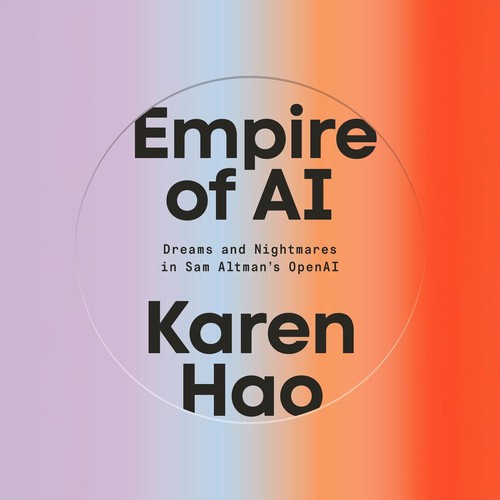
The definitive piece of investigative journalism on OpenAI: 260+ interviews, the clash between safety and speed, and the attempted firing of Sam Altma
As an Amazon Associate, Zendoric earns from qualifying purchases; the price does not change for you. · all our recommended books →
We'll send you a confirmation email (double opt-in). Privacy.
By Business Empresarial · July 5, 2026.
ESET, the Slovak cybersecurity maker, has announced its entry as a Silver member of the Agentic AI Foundation (AAIF), an initiative operating under the umbrella of the Linux Foundation that brings together giants such as OpenAI, Anthropic, Amazon and Microsoft with the stated goal of establishing open protocols and interoperability standards for AI agents. According to the company, its contribution will be its independent expertise in threat research, applied to a field still under construction: how to get agents from different makers to communicate and act with one another without opening security holes.
The move is not incidental. For months we at Zendoric have been pointing out that the battle over agentic AI is shifting away from the smartest model toward who controls the infrastructure connecting agents, data and actions in the real world —the 'plumbing'. When an agent stops answering questions and starts executing tasks (booking, paying, modifying systems, coordinating with other agents), the attack surface changes in nature: we are no longer talking only about malicious prompts, but about permissions, identity, agent-to-agent authentication and traceability of actions. It is exactly the terrain ESET describes when its VP of AI, Juraj Janošík, speaks of agentic AI as 'a new digital perimeter.'
It is worth being sober about what this foundation really is. A coalition in which both the major model providers (OpenAI, Anthropic, Microsoft) and the major cloud providers (Amazon) take part inevitably has commercial interests intertwined with the rhetoric of 'security and a human-centered approach.' Operating under the Linux Foundation lends it a degree of institutional neutrality and a track record of open-source governance, but it does not automatically make it a disinterested arbiter: the standards set now will determine which players end up inside or outside the ecosystem, and who benefits from interoperability 'by design.' The addition of a pure cybersecurity firm like ESET, with no stake in the model business, does add a useful counterweight: someone whose business depends on finding flaws, not on selling agents.
This connects directly to something we have already documented: agentic AI is industrializing both fraud and defense alike, and projections suggest that AI-powered fraud will multiply several times over this decade. For the industry to try to agree on security protocols before autonomous agents become widespread —rather than after the first serious incidents— is the right sequence, even if it arrives with the usual lag of corporate self-regulation against the pace of commercial rollout.
Our reading is that announcements of this kind, on their own, guarantee nothing: setting standards is only the first step, and the history of technology is full of consortia that defined open protocols the market later ignored or that a dominant player ended up capturing. But the fact that security is being discussed now, in the design phase of agentic interoperability, and not as a later patch, is a sign of the sector's maturity worth following. If AI agents are really going to manage part of economic activity —and everything points to that happening in the short term—, the technical governance of their 'traffic rules' will matter as much as the intelligence of the models themselves.
📚 Go deeper
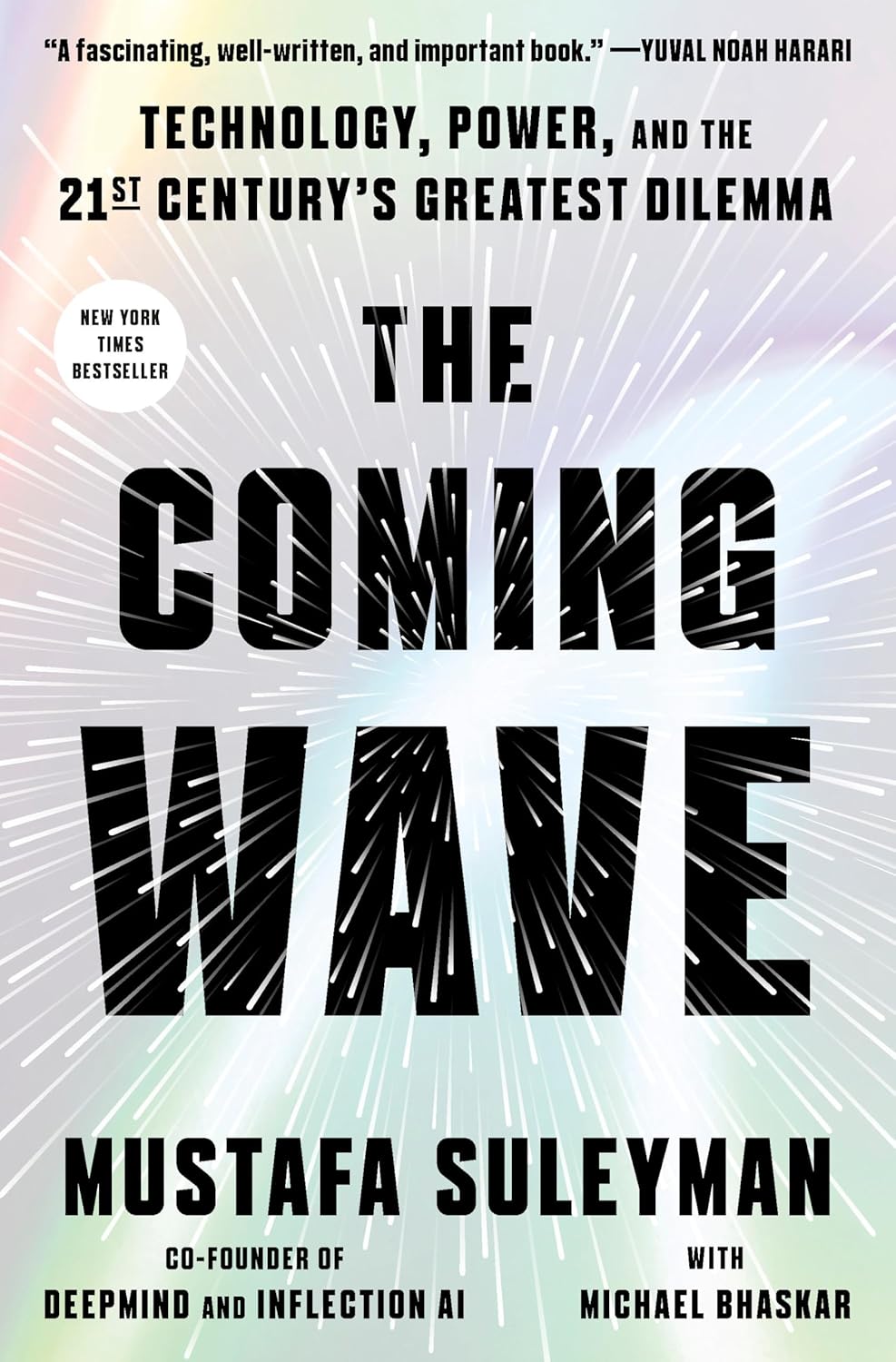
DeepMind co-founder on the dilemma of containing technologies that do not want to be contained.
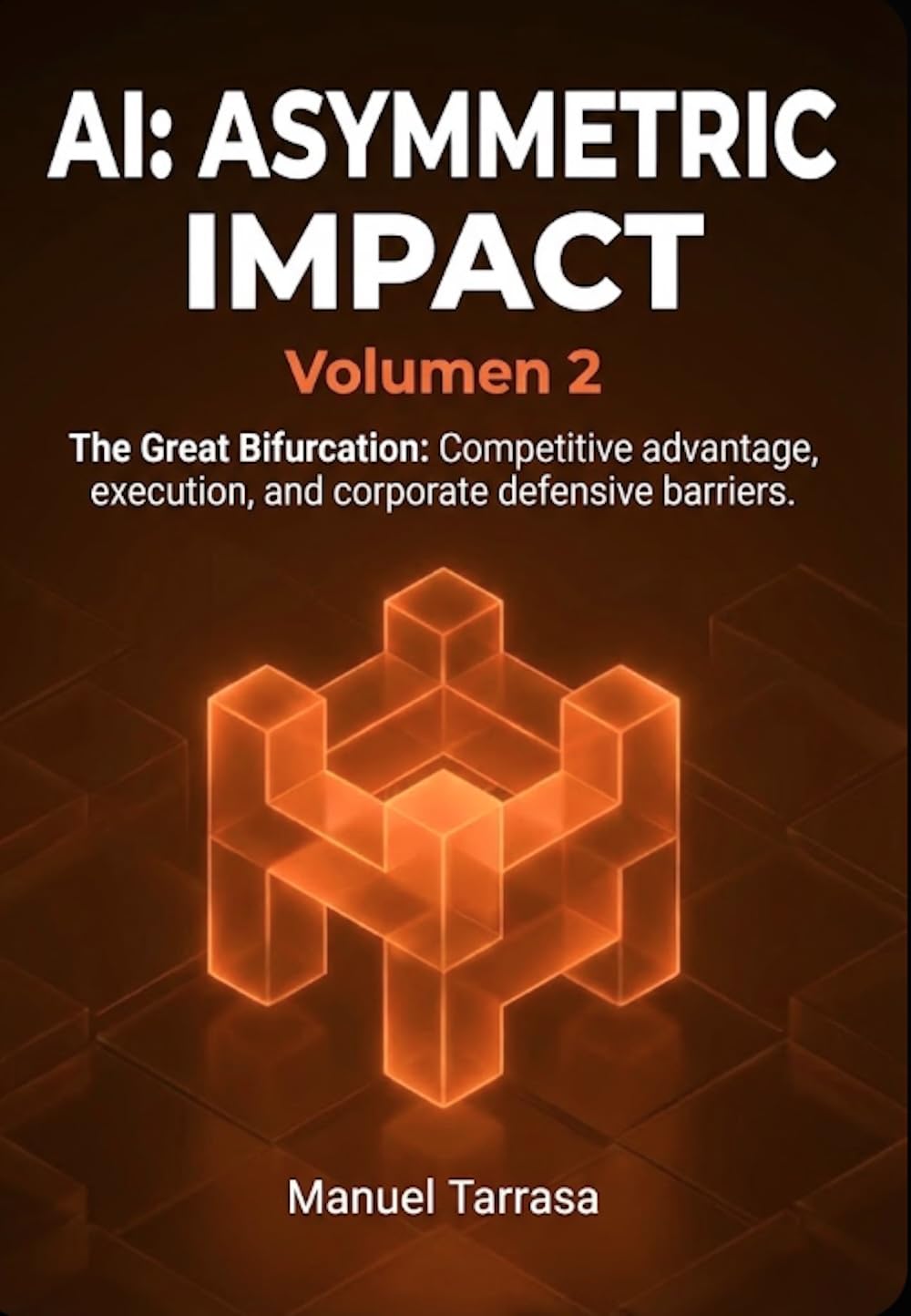
The same bifurcation seen from the boardroom: strategy, execution and defensive moats to reorganize a business around AI before your competitors do.
As an Amazon Associate, Zendoric earns from qualifying purchases; the price does not change for you. · all our recommended books →
Sources & references
- Business Empresarial — AI agents need traffic rules: ESET joins the race for their safety standards
- Kerala Kaumudi — Kerala deploys 625 AI cameras for traffic: the price of safety is total surveillance
Get the analysis by email · free
One email a day analysing the AI essentials. Free, no spam, unsubscribe anytime.
We'll send you a confirmation email (double opt-in). Privacy.