When the 'surveillance market' is actually ICU monitoring: the AI that really does save lives

🕒 Published on Zendoric: July 6, 2026 · 00:04
A market report projects 7-9% annual growth through 2035 for critical-patient monitoring systems, driven by early-warning AI and remote monitoring. Behind the alarming headline lies a far more mundane story: hospitals, sensors and intensive care.
📚 Go deeper
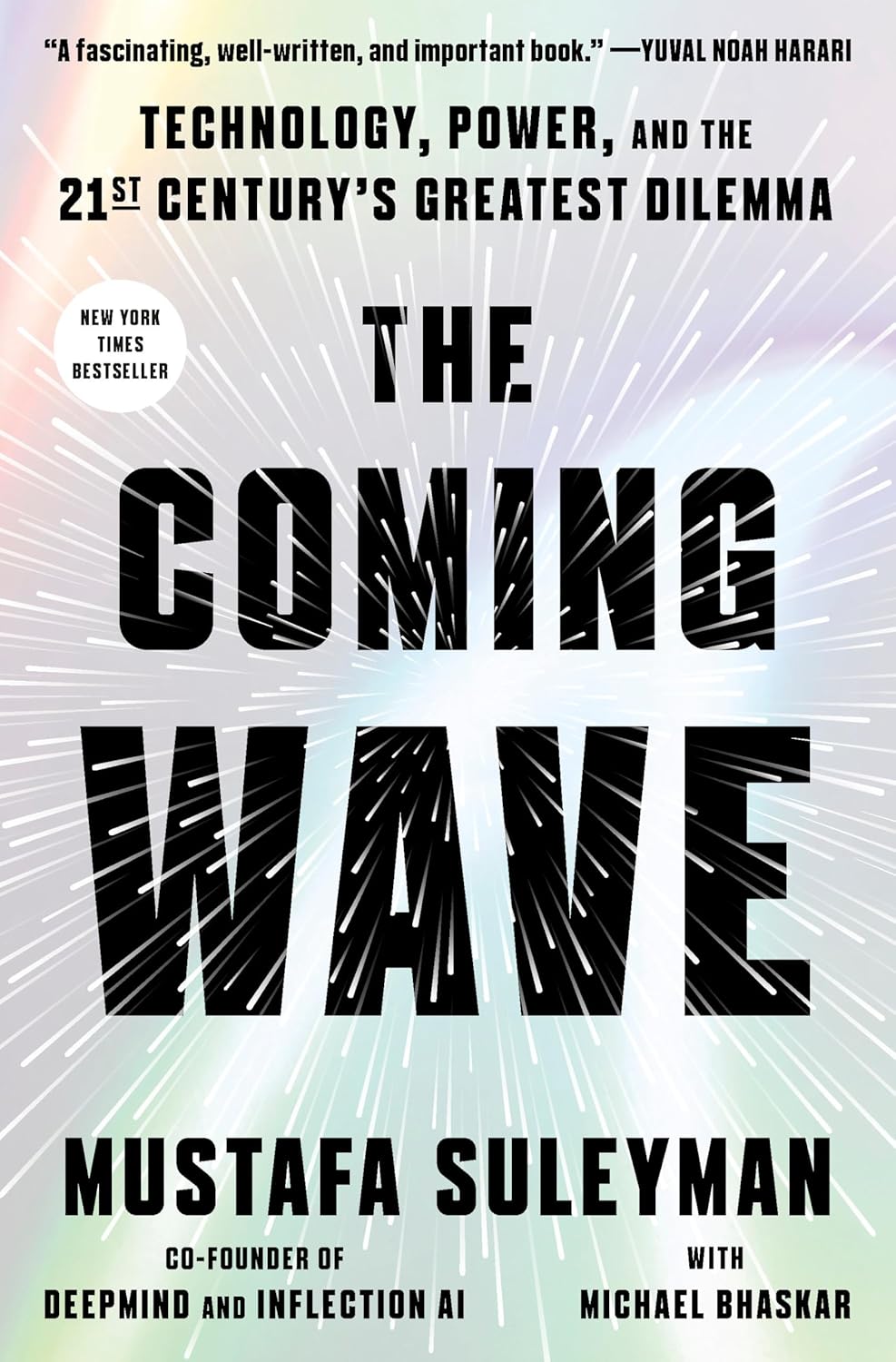
DeepMind co-founder on the dilemma of containing technologies that do not want to be contained.
As an Amazon Associate, Zendoric earns from qualifying purchases; the price does not change for you. · all our recommended books →
We'll send you a confirmation email (double opt-in). Privacy.
By IndexBox · July 5, 2026.
The original title of this report—"Critical Condition Surveillance Systems"—sounds like a dystopia of cameras and social control. The reality, once you read the content, is far more mundane and, ultimately, encouraging: we are talking about ICU monitors, vital-signs sensors and early-warning platforms for hospitalized patients in critical condition. IndexBox projects annual growth of 7-9% for this market between 2026 and 2035, doubling its current size, driven by an aging population, the rise of chronic diseases and the incorporation of artificial intelligence into clinical surveillance systems.
The technical figures are concrete: between 30% and 35% of new equipment will incorporate remote monitoring and AI-based early-warning algorithms by 2030. Replacement cycles have shortened from 7-10 years to 5-7 years because hospitals are adopting modular platforms that can be upgraded without replacing the entire system. And there is a figure worth underscoring because it connects with a thesis we have already covered at Zendoric: the entry of consumer-electronics players—the report mentions Apple and Fitbit/Google—into the home-monitoring segment, where remote surveillance of chronic patients (heart failure, COPD, diabetes) is expected to reach between 15% and 20% of the sector's total revenue by 2035.
There are also real frictions, and the report does not hide them: the shortage of specialized sensors and ASICs has stretched delivery times to 20-30 weeks during 2024-2026; regulatory requirements for cybersecurity and data privacy (the EU Medical Devices Regulation (EU MDR) and emerging health-data regulations in Asia-Pacific) increase the cost of launching new products by 8% to 12%; and the consolidation of hospital purchasing through group purchasing organizations (GPOs)—which already decide between 50% and 60% of acquisitions in North America and Western Europe—compresses the margins of standard-equipment manufacturers.
Our reading: this type of market report, though written with the coldness of a consultancy that sells the full PDF for $4,000, is a useful thermometer of where applied AI is advancing quietly and without spectacular headlines. It is not a language model that surprises on a benchmark; it is early-warning software for sepsis or clinical deterioration integrated into an ICU monitor, capable of anticipating a crisis before a human nurse notices the signs. This is precisely the AI that fits our underlying thesis: not the kind that generates viral headlines, but the kind that reduces hospital stays, prevents adverse events and, in the home segment, allows chronic patients to live outside the hospital with the same safety. It is a small but representative example of the path toward the progressive eradication of avoidable complications and toward a more accessible healthcare that is less dependent on constant human surveillance.
The short-term nuance is also present: the existence of a "two-tier market"—state-of-the-art systems in wealthy hospitals versus refurbished or reduced-specification equipment in the public systems of emerging countries—is a reminder that technological abundance does not reach every healthcare system equally or at the same pace. The promise of AI in healthcare is only fulfilled if investment in critical infrastructure is democratized as much as the open-weight language models we discuss in other analyses.
📚 Go deeper

The definitive piece of investigative journalism on OpenAI: 260+ interviews, the clash between safety and speed, and the attempted firing of Sam Altma

AI as the latest chapter in the history of information networks, from gossip to the printing press to the algorithm.
As an Amazon Associate, Zendoric earns from qualifying purchases; the price does not change for you. · all our recommended books →
Sources & references
Get the analysis by email · free
One email a day analysing the AI essentials. Free, no spam, unsubscribe anytime.
We'll send you a confirmation email (double opt-in). Privacy.